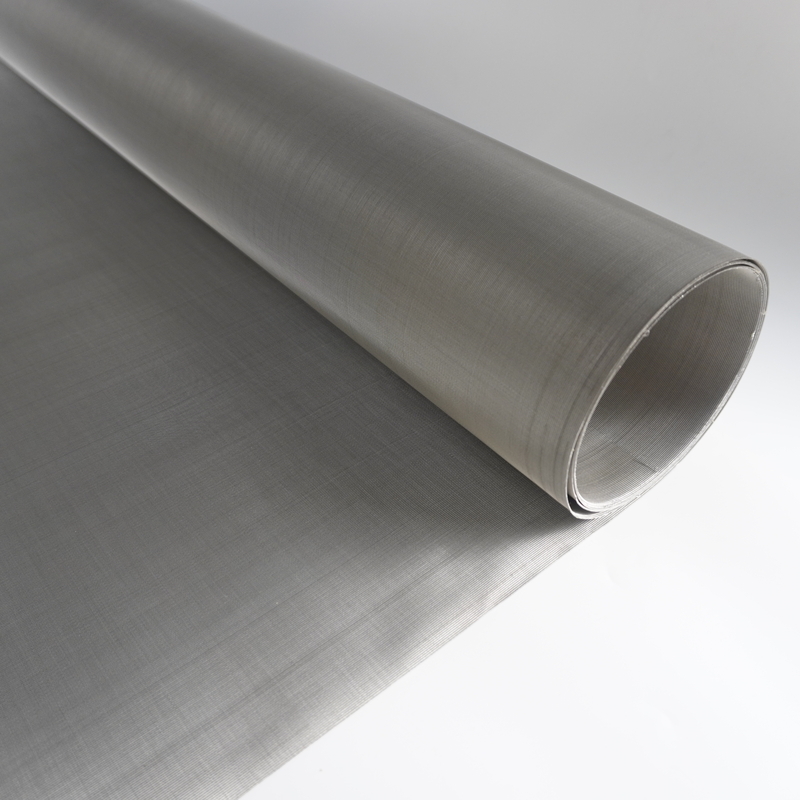
1. Product Description
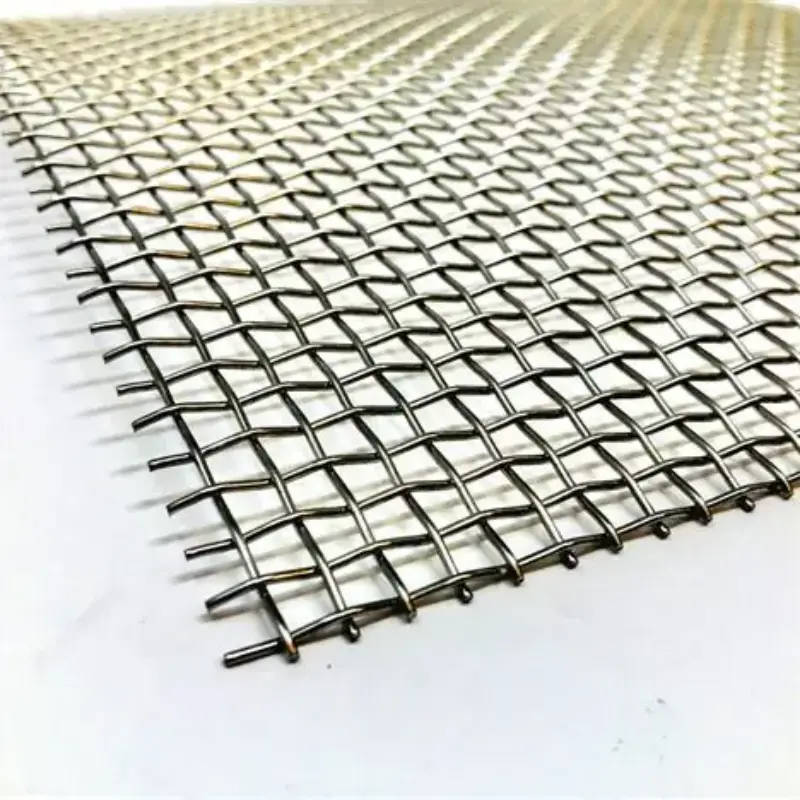
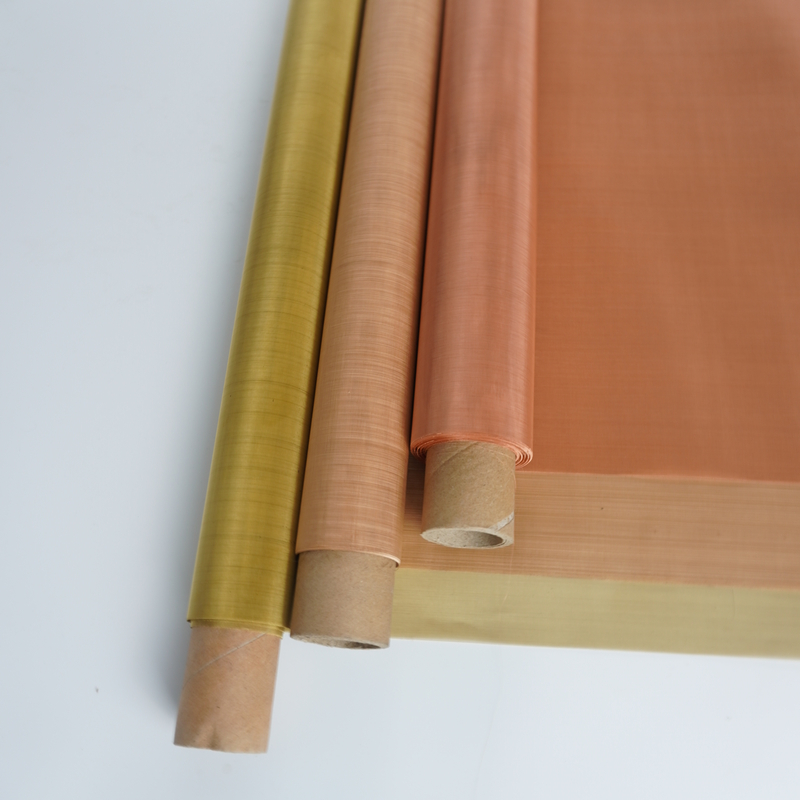
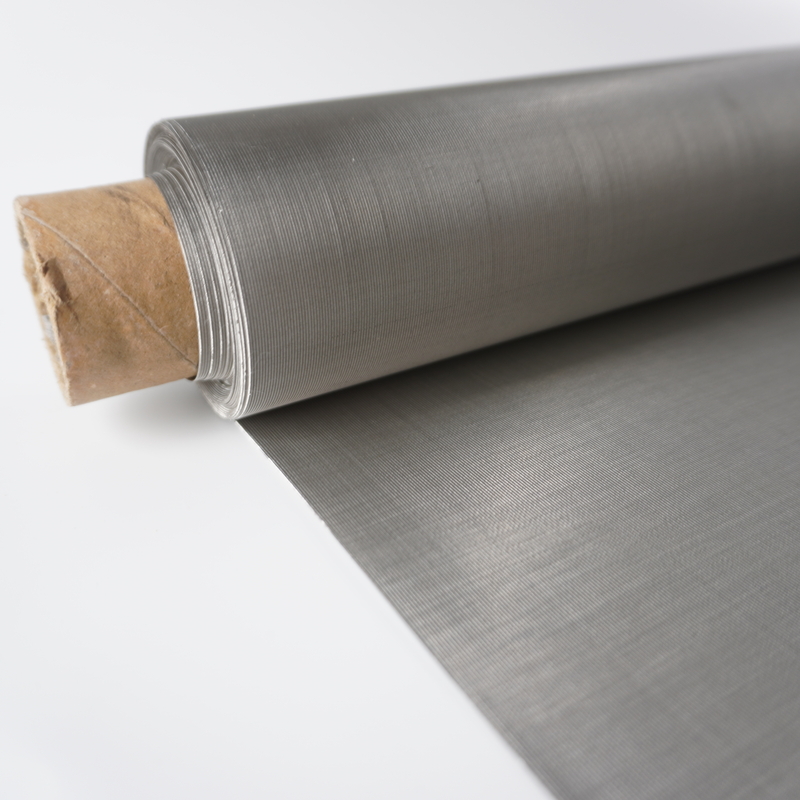
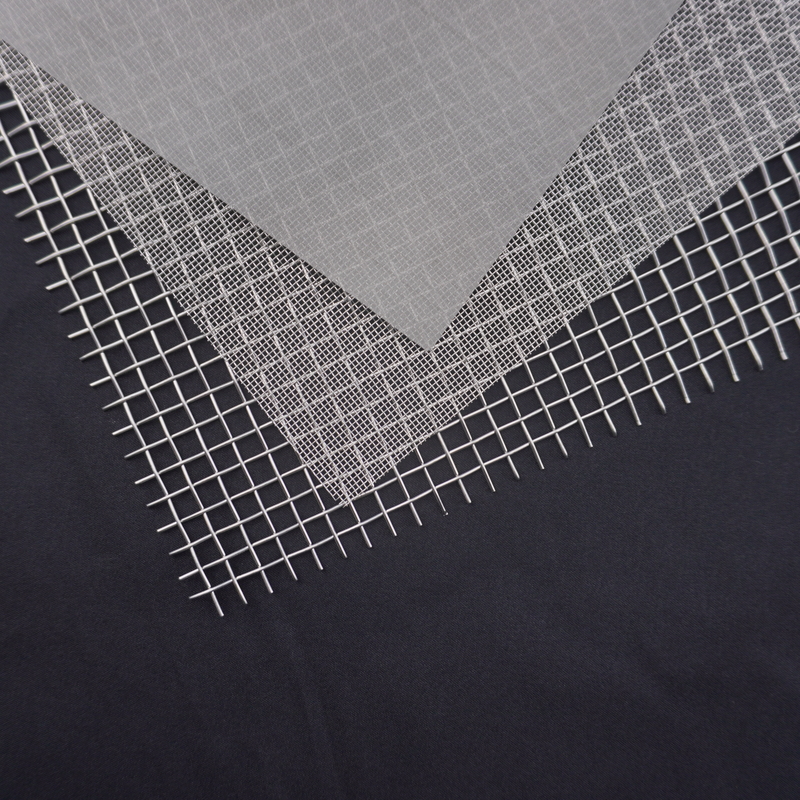
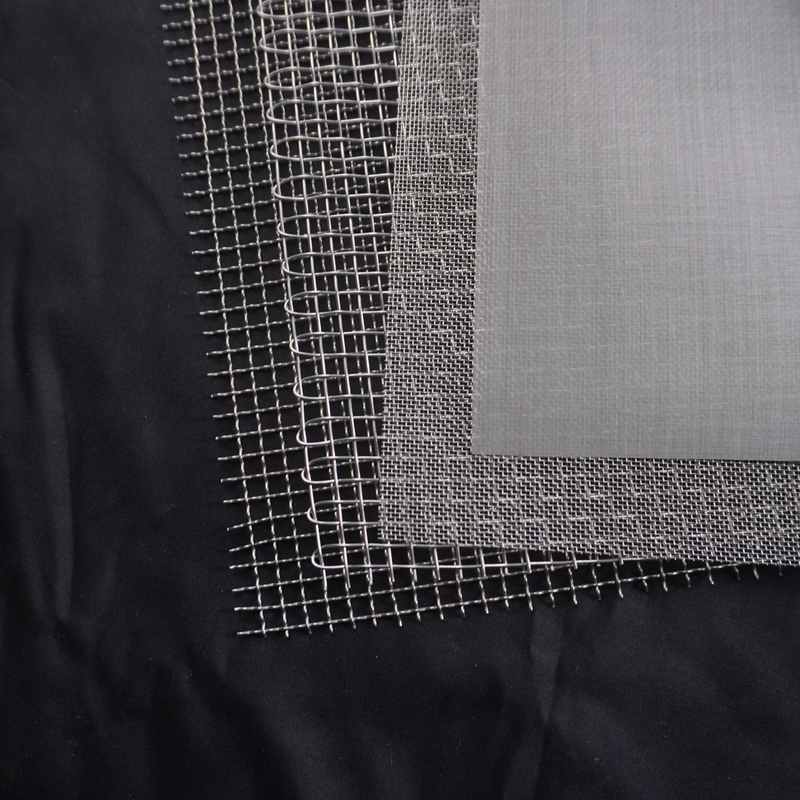
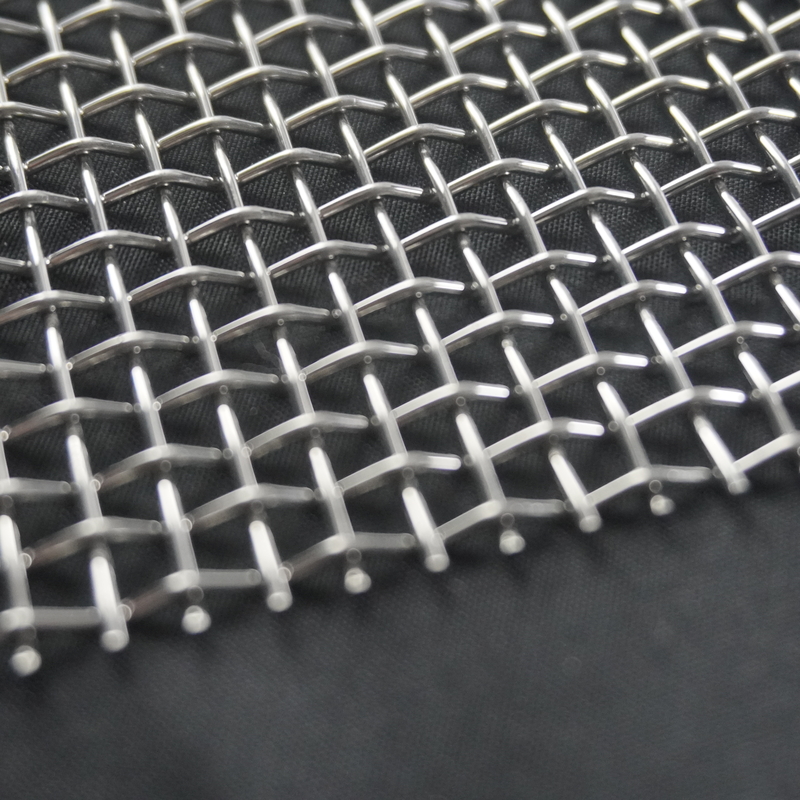
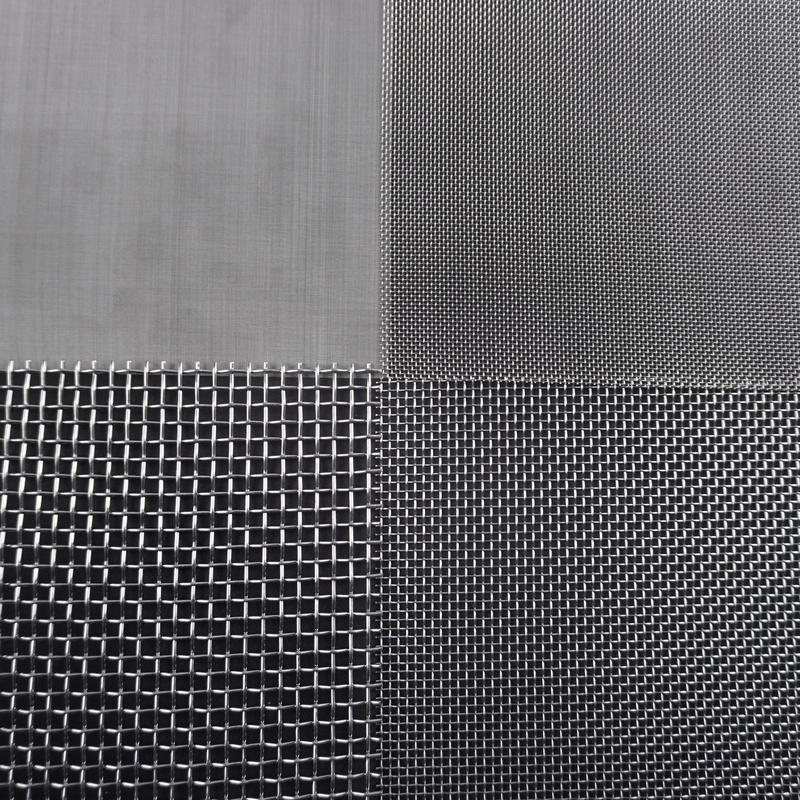
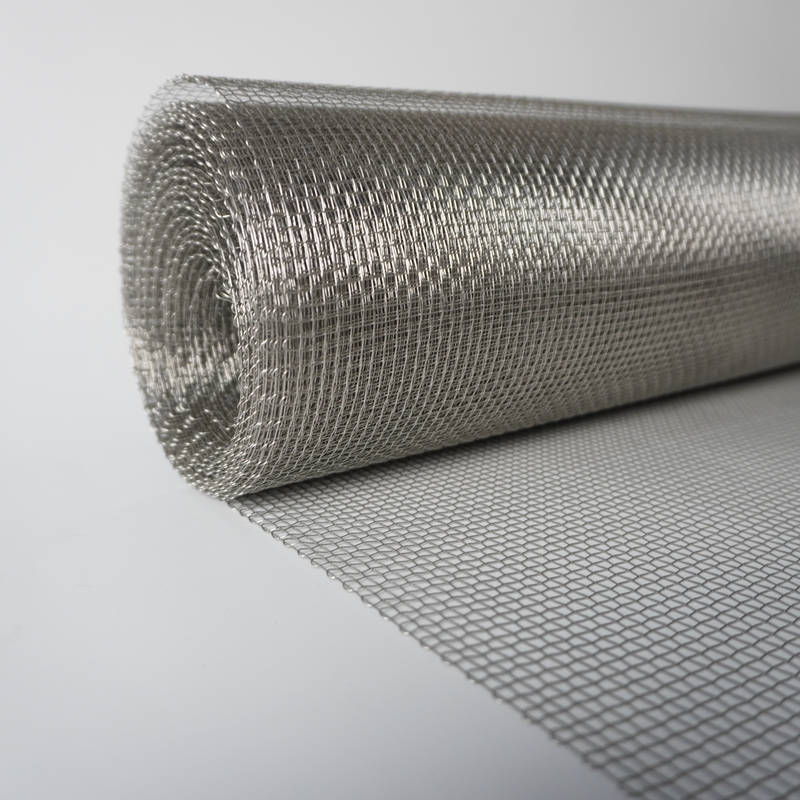
Industry woven mesh is a precision-engineered metal mesh produced by interlacing warp and weft wires on high-speed looms. Bolin supplies woven mesh in a comprehensive range of materials — from standard stainless steel to exotic super-alloys — across all weaving patterns and mesh counts from 1 to 635 mesh. This is the company’s core and flagship product line, serving global filtration, separation, screening, and architectural applications.
2. Production Process
Every roll of Bolin woven wire mesh passes through a strictly controlled seven-step production process, ensuring dimensional accuracy, surface quality, and consistent filtration performance.
Fig. 1 — 7-Step Production Process: Wire → Warping → Heading & Reeding → Weaving → Flattening → Mesh Inspection → Cleaning.
Step
Stage
Description
1
Raw Wire (Material)
High-quality metal wire (stainless steel, nickel, titanium, copper, etc.) selected and verified to specification
2
Wire Warping
Wire is precision-wound onto weaving beams to achieve uniform tension across the full width
3
Heading & Reeding
Warp wires are threaded through heddles and reed; determines mesh count and weave pattern
4
Weaving
Weft wires interlaced with warp on high-speed looms; weave pattern set to customer specification
5
Flattening
Woven mesh passed through flatting rolls to ensure a perfectly flat, uniform surface
6
Mesh Inspection
Aperture size, mesh count, and surface integrity measured and verified by dedicated inspection equipment
7
Cleaning
Mesh cleaned to remove oils, debris, and surface contaminants; ready for cutting, rolling, and shipment
3. Quality Control Process
Bolin operates a comprehensive 8-stage quality control protocol covering incoming raw material through to pre-shipment inspection, ensuring every delivered product meets the stated specification.
Stage
QC Step
Control Method / Standard
1
Raw Material Inspection
Verify wire grade, certificate of conformance, tensile strength, and surface condition on arrival
2
Wire Diameter Verification
Measure wire diameter (µm-level precision) against specification before warping
3
In-Process Weaving Inspection
Monitor mesh count, wire tension, and weave pattern during production at regular intervals
4
Aperture & Mesh Count Measurement
Dedicated mesh inspection station: optical inspection of aperture size, uniformity, and mesh count
5
Tensile & Elongation Test
Sample testing for breaking load and elongation to confirm mechanical property compliance
6
Surface Cleaning & Visual Inspection
Machine-cleaned, then visually inspected under light for weaving defects, contamination, or damage
7
Dimensional & Weight Check
Final measurement of roll width, length, and weight against order specification
8
Packing & Shipping Inspection
Pre-shipment check of quantity, labelling, roll packaging, and shipping documentation
6. Key Features
● Outstanding corrosion, acid, alkali, and salt resistance — grade-dependent
● High-temperature stability: up to 1,400°C depending on material grade
● Precise, uniform aperture: filtration ratings from 1 mesh (23.37 mm) down to 635 mesh (20 µm)
● High tensile strength and wear resistance; suitable for high-pressure backwashing
● Smooth, hygienic surface — easy to clean, sterilise, and validate
● Custom widths available, including super-wide cloth (up to 4 m+)
● Full traceability: material certificates (Mill TC), inspection reports available on request
7. Applications
● Petroleum, chemical, and pharmaceutical filtration and separation
● Food & beverage sifting: flour, sugar, starch, and liquid filtration
● Mining and quarrying: vibrating screen decks, ore grading
● Water treatment and environmental protection
● Mechanical engineering, aerospace, and vacuum technology
● EMI / RFI shielding and anti-radiation screening
● Architecture and interior design: facades, room dividers, security screens
8. Specifications8.1 Plain / Twill Weave — Standard Square Mesh Series
Mesh Count
Wire Dia. (mm)
Aperture (mm)
Open Area (%)
Filtration (µm)
1
2.03
23.37
84.6
23,370
2
1.60
11.10
76.4
11,100
4
1.20
5.15
65.8
5,150
6
0.90
3.33
62.0
3,330
8
0.71
2.46
60.2
2,460
10
0.50
2.04
64.5
2,040
12
0.45
1.66
62.7
1,660
16
0.35
1.23
60.7
1,230
20
0.40
0.87
46.9
870
30
0.25
0.59
49.7
590
40
0.25
0.385
36.8
385
50
0.20
0.308
36.8
308
60
0.15
0.273
41.7
273
80
0.12
0.198
38.8
198
100
0.10
0.154
36.8
154
120
0.08
0.132
38.8
132
150
0.06
0.109
41.6
109
200
0.05
0.077
36.8
77
250
0.045
0.057
31.2
57
300
0.040
0.0447
27.9
44.7
325
0.035
0.043
30.5
43
400
0.030
0.0335
27.8
33.5
500
0.025
0.0258
25.8
25.8
635
0.020
0.020
25.0
20.0
8.2 Plain Dutch Weave (PDW) — Mesh Count & Specification Table
Dutch weave mesh count is expressed as warp count × weft count (e.g. 40×200 means 40 warp wires and 200 weft wires per inch). The finer weft creates the filtration aperture.
Mesh (warp×weft)
Warp Wire Dia. (mm)
Weft Wire Dia. (mm)
Aperture (µm)
Typical Application
12 × 64
0.63
0.40
300
Coarse pre-filtration, large-particle screening
24 × 110
0.36
0.23
150
Industrial liquid filtration
30 × 150
0.28
0.19
100
Edible oil filtration, pre-coat filters
40 × 200
0.23
0.14
74
Chemical & pharmaceutical filtration
50 × 250
0.19
0.11
58
Precision liquid & gas filtration
80 × 700
0.14
0.065
25
High-precision filtration
100 × 900
0.10
0.056
17
Ultra-fine chemical & fuel filtration
150 × 1400
0.071
0.040
12
Pharmaceutical sterile filtration
200 × 1800
0.056
0.033
8
High-precision micro-filtration
325 × 2300
0.036
0.025
5
Ultra-fine filtration (minimum standard aperture)
Note: Twill Dutch Weave (TDW) provides even finer filtration than PDW at the same mesh count — typical TDW ratings extend from 1–5 µm for precision chemical and fuel filtration. All mesh counts and specifications above are industry-standard references; custom configurations available on request. Subject to factory confirmation.
Supplier: Anping County Bolin Metal Wire Mesh Co., Ltd. |
Ella@bolinwiremesh.com
Related Products
No data.
Request Inquery
About Us
Established in 2004 with a registered capital of RMB 10 million, Anping County Bolin Metal Wire Mesh Co., Ltd. is headquartered in Anping County — renowned as the "Hometown of Wire Mesh" in China. With over 20 years of manufacturing expertise, the company now employs more than 90 professionals and operates a production facility spanning 8,000 square meters.